
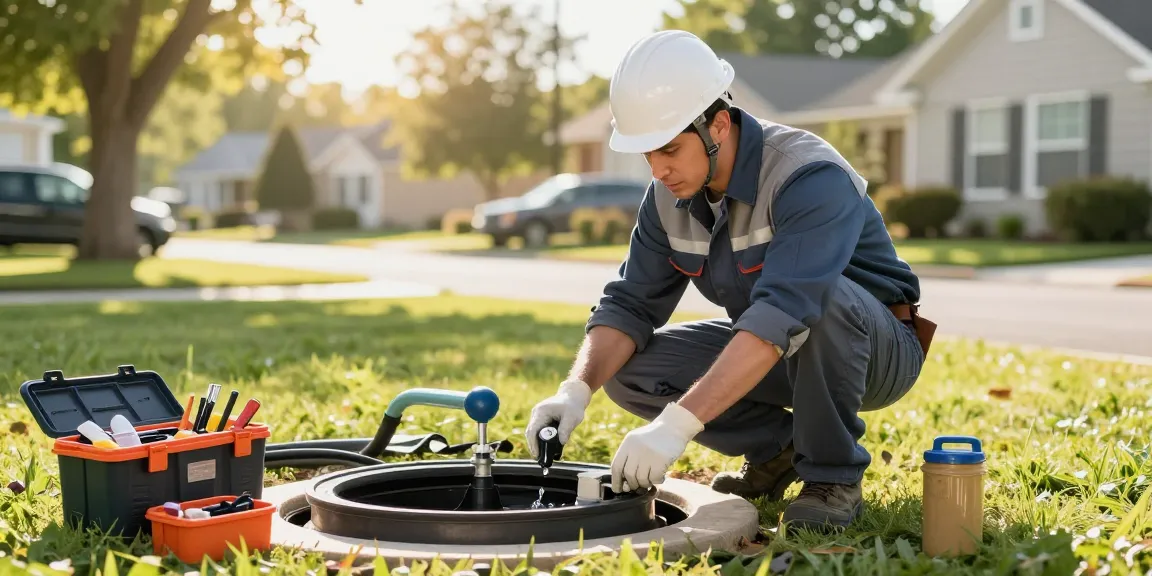
Understanding Septic Service: What You Need to Know
Septic systems play a critical role in managing wastewater for homes that are not connected to a municipal sewer. These self-contained systems treat and dispose of the wastewater that is generated from daily household activities. Understanding how septic systems work, and the importance of maintaining them is vital for homeowners, property managers, and anyone who relies on these systems for sanitation and hygiene. Regular septic service is essential for extending the lifespan of the system and preventing costly repairs.
What is a Septic System?
A septic system is a decentralized wastewater treatment system used primarily in rural areas. It consists of a septic tank, where solids settle at the bottom and liquids flow into the drain field for further treatment. The tank is designed to hold the wastewater long enough to allow solids to settle, while the lighter materials, such as grease, rise to the top and form a scum layer. Maintenance and correctly designed layouts are key to ensuring the system functions efficiently.
Importance of Regular Maintenance for Septic Systems
Regular maintenance of your septic system can save you money and prolong the life of the system. Homeowners should have their septic tank pumped every three to five years, as recommended by the Environmental Protection Agency (EPA), to prevent build-up that can cause backups or system failure. Furthermore, employing a septic service provider ensures that your system is functioning optimally and can help identify potential problems early.
Common Signs Your Septic System Needs Attention
- Foul smells around the septic area or inside the house.
- Slow drains or gurgling sounds in toilets and sinks.
- Water pooling in the yard, especially over the drain field.
- Increased grass growth over the septic drain field.
How to Choose the Right Local Septic Service Provider
Choosing a trusted local septic service provider requires careful consideration. Homeowners should ensure they select a professional who meets industry standards and can effectively address their needs. This guide will walk you through essential factors to evaluate when selecting a contractor for your septic system requirements.
Factors to Consider When Choosing a Contractor
- Experience and expertise in septic systems.
- Range of services offered, including inspections, installations, and emergency services.
- Response time and availability for emergencies.
Licensing and Insurance: What to Look For
Ensure the septic service provider is licensed and insured. A valid license indicates that the contractor is knowledgeable about local health and safety regulations, while insurance protects you from liability in case of accidents during service.
Reading Reviews and Testimonials from Local Clients
Online reviews and testimonials can provide valuable insights into the quality of service a septic provider offers. Look for feedback from local customers to gauge their reliability and professionalism.
Understanding Pricing for Septic Services
Understanding the costs associated with septic services is crucial for homeowners. This section explores various pricing factors and what you can expect to budget for routine and emergency services.
Typical Costs of Septic Tank Pumping
On average, homeowners pay between $250 and $500 for septic tank pumping. Multiple factors can influence the exact cost, including the size of the tank and the location of the home. Understanding the typical pricing in your area can help you budget appropriately.
Emergency Services vs. Routine Maintenance Costs
Emergency services can be significantly more expensive than routine maintenance. For example, urgent issues requiring immediate attention might range from $500 to $2,000, depending on the severity of the problem. Regular maintenance can prevent such emergencies and save you costs in the long run.
How Location Affects Pricing for Septic Services
Pricing for septic services can vary greatly depending on your geographic location. Urban areas generally have higher service fees due to increased demand, while rural locations may offer more competitive rates. Always compare multiple quotes and local providers to ensure you receive the best value for your service needs.
Seasonal Maintenance Tips for Your Septic System
Seasonal maintenance is crucial to ensure your septic system operates efficiently throughout the year. Each season presents its own set of challenges and maintenance tasks that homeowners should address to protect their systems.
Best Practices for Winterizing Your Septic System
In winter, it’s essential to prevent your septic system from freezing. Insulate the tank and the pipes, and avoid overloading the system with excessive flushes or washing.
Spring Cleaning: Essential Tasks for Your Septic System
After the winter thaw, inspect your system closely. Spring is a perfect time to have your tank pumped and to inspect the drain field for any signs of pooling water.
Fall Maintenance: Preparing for Heavy Rains
Clear gutters and drainpipes to ensure that rainwater is directed away from your septic system. Excessive rain can saturate your drain field and lead to system failure.
Emergency Septic Services: What to Expect
Sometimes, despite your best maintenance efforts, emergencies can occur. Understanding what to expect during these critical situations can ease stress and help you prepare for immediate action.
When to Call for Emergency Septic Services
Call for emergency septic services if you experience a complete blockage, significant backups, or foul odors that suggest a critical failure of your system. Delaying action can lead to extensive damage and costs.
What Happens During an Emergency Service Call
During an emergency service call, technicians will diagnose the issue, assess the operations of the septic tank, and recommend necessary repairs or pumping. They will also provide insights on preventative measures to avoid future emergencies.
Preventative Measures to Avoid Emergencies
Preventative measures include regular pumping, inspections, and being mindful of what goes down your drains. Avoid flushing non-biodegradable items or harsh chemicals that can disrupt the health of your septic tank.
Frequently Asked Questions about Septic Service
Understanding common questions about septic services can help inform and assure you about your septic system management and maintenance.
How Often Should I Have My Septic Tank Pumped?
Septic tanks should be pumped every 3 to 5 years, although other factors such as household size and water usage may influence this timeline.
What Should I Do If My Septic System Fails?
If your septic system fails, it’s critical to contact a licensed septic service provider immediately to prevent environmental contamination and further damage to the system.
Can I DIY My Septic System Maintenance?
While simple tasks such as inspecting the area for odors or pooling water can be done by homeowners, most maintenance, especially pumping and repairs, should be left to professionals to ensure safety and compliance with local regulations.. Additionally, Miltonsepticpumping.com provides further details.


