
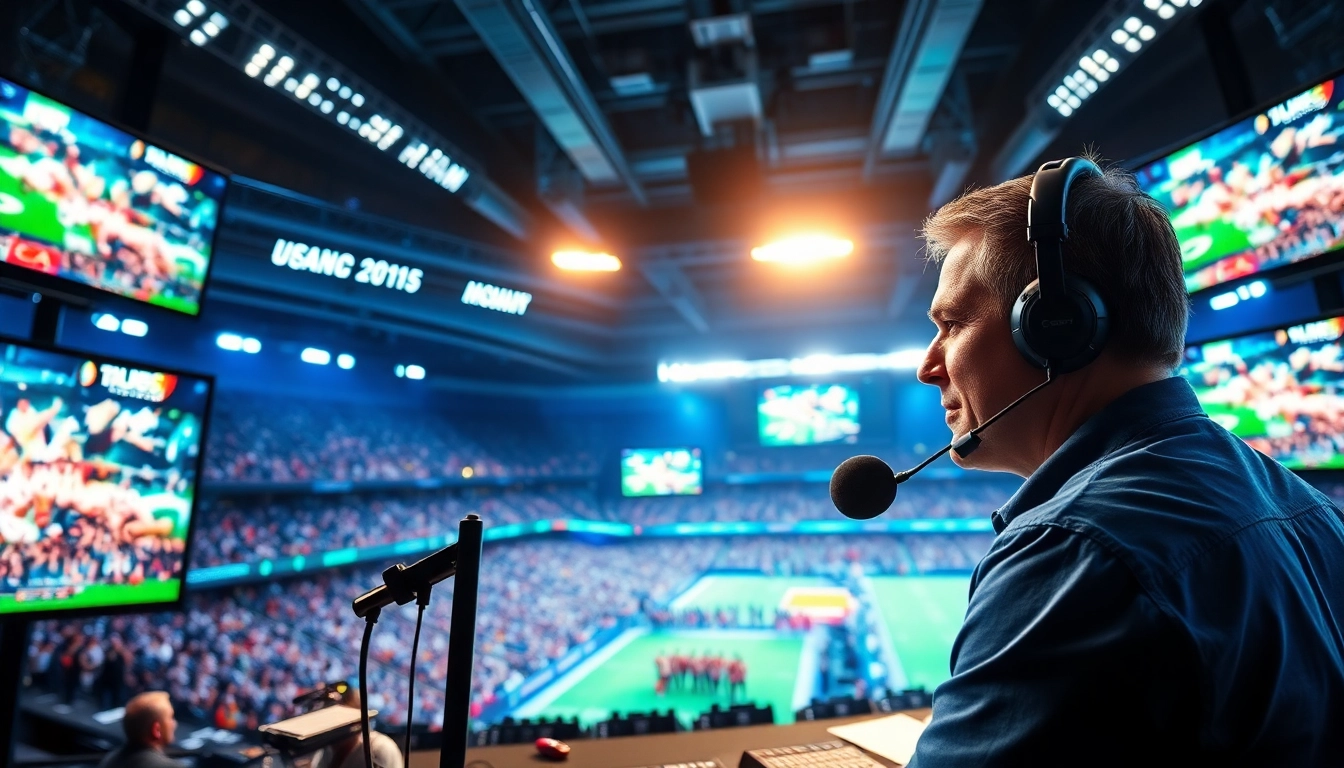
Introduction to Sports Broadcasting
Sports broadcasting has transformed dramatically over the decades, reshaping how fans engage with their favorite events and teams. The convergence of technology and media has given rise to innovative formats and platforms that deliver content in real-time, offering fans unparalleled access to sports. As audiences become more accustomed to instant access and immersive experiences, understanding Sports Broadcasting is crucial for stakeholders in the industry. This article explores the evolution, current landscape, and future of sports broadcasting.
The Evolution of Sports Broadcasting
The journey of sports broadcasting began in the early 20th century with radio transmissions of games. As technology advanced, television emerged, bringing the excitement of live sports into homes worldwide. The introduction of cable and satellite television in the late 20th century expanded the reach and variety of sports programming. Additionally, the internet revolutionized access, transforming how content is consumed.
Key Technologies in Sports Broadcasting
Key technologies such as high-definition (HD) video, satellite communications, and digital streaming have enriched the viewing experience. Today, advanced graphics and data visualization tools enhance engagement and interpretive commentary, allowing audiences to gain deeper insights into their favorite sports and players. These technologies empower broadcasters to push the boundaries of live entertainment.
Understanding Audience Engagement
Engagement is at the heart of successful sports broadcasting. Fans now demand more interactive experiences, leading broadcasters to utilize various technologies like mobile applications, social media, and augmented reality (AR). Understanding audience preferences and behaviors enables broadcasters to tailor content and improve the viewer experience through personalized interactions, community engagement, and real-time feedback.
Types of Sports Broadcasting Formats
Live Television Coverage
Live television remains the quintessential format for sports broadcasting. Viewers relish the thrill of watching events unfold in real-time, supported by expert commentary and analysis. Major sporting events, such as the Olympics and Super Bowl, draw millions of viewers, showcasing the effectiveness of live broadcasts in building a shared experience among fans.
Radio Broadcasting Techniques
Despite the rise of television and digital media, radio broadcasting retains a unique charm and significance. Its ability to convey the emotion of live sports through articulate commentary makes it an enduring format. Techniques such as play-by-play descriptions and listener call-ins create an interactive atmosphere, fostering a sense of community among fans who rely on the radio for updates while on the go.
Digital Streaming Services
The rise of digital streaming services has revolutionized sports broadcasting, allowing viewers to watch events on-demand, anytime and anywhere. Platforms like OTT (Over-the-Top) services provide flexible options without traditional cable subscriptions. The integration of social media also enables real-time sharing of highlights and interactions with fans, further enhancing the viewing experience.
The Role of Technology in Sports Broadcasting
Impact of HD and 4K on Viewing Experience
The advent of HD and 4K technology profoundly impacts the viewing experience, delivering superior picture quality that enhances the realism of sports events. This enables viewers to catch minute details, from player expressions to the texture of the ball. As these technologies become standard, broadcasters must continually upgrade their production techniques to meet audience expectations.
Virtual Reality and Augmented Reality in Broadcasting
Virtual reality (VR) and augmented reality (AR) are shaping the future of sports broadcasting by creating immersive experiences for viewers. AR overlays live stats and graphics on game footage, while VR offers fans virtual stadium experiences from the comfort of their homes. These innovations not only entertain but also provide educational value, as fans can interact with the sports world in unprecedented ways.
The Rise of Social Media Platforms
Social media platforms have emerged as a vital component of sports broadcasting. They serve as a powerful tool for engagement, offering channels for fans to voice their opinions and celebrate their teams. Live-tweeting, Instagram stories, and Facebook updates from broadcasters create a real-time dialogue with audiences, making them integral to the overall broadcasting strategy.
Challenges in Sports Broadcasting
Dealing with Broadcast Rights and Licenses
One of the most significant challenges in sports broadcasting lies in navigating the complex landscape of broadcast rights and licenses. Securing exclusive distribution agreements often involves high financial stakes and intense competition. Failure to manage and negotiate these rights effectively can result in lost revenue and limited audience reach.
Addressing Viewer Expectations and Feedback
With the evolving landscape of sports broadcasting, addressing viewer expectations is paramount. Fans now expect not only quality content but also transparency and responsiveness from broadcasters. Engaging with audience feedback and adapting to evolving preferences ensures broadcasters stay connected and relevant in a competitive marketplace.
Technological Failures During Live Events
Technological failures, such as equipment malfunctions or internet connectivity issues, can severely disrupt live broadcasts. Broadcasters must invest in robust technology and have contingency plans in place to mitigate these risks. Regular testing and maintenance of equipment, in addition to backup systems, should be standard procedures to safeguard live broadcasting integrity.
Future Trends in Sports Broadcasting
Predictions for the Next Decade
The future of sports broadcasting is poised to see unprecedented developments driven by technology and viewer behavior. The increased integration of artificial intelligence (AI) for personalized content, predictive analytics for fan engagement, and the continual growth of immersive technologies will redefine the industry landscape. These advancements will shape how content is created, distributed, and consumed.
Emerging Technologies to Watch
Several emerging technologies, such as 5G networks, blockchain, and machine learning, are set to influence sports broadcasting. 5G technology promises to enhance streaming quality, reducing latency and delivering high-definition experiences on mobile devices. Blockchain can transform rights management and ticket sales, creating transparency and security in transactions.
Strategies for Broadcasters to Stay Competitive
To remain competitive in the evolving landscape of sports broadcasting, companies must prioritize innovative content strategies. Collaborating with technology partners, experimenting with new formats, and investing in audience analytics will offer valuable insights into viewer preferences. Building strong relationships with sponsors and advertisers will also play a crucial role in generating sustainable revenue.
FAQs about Sports Broadcasting
What is Sports Broadcasting?
Sports broadcasting refers to the distribution of sports-related content through various media platforms, including television, radio, and digital streaming.
How has technology changed sports broadcasting?
Technology has enhanced visuals, interactivity, and viewer engagement through HD, 4K, AR, VR, and social media integration, transforming the viewer experience.
What are the key formats in sports broadcasting?
Key formats include live television, radio broadcasts, and digital streaming services, each catering to diverse audience preferences and access methods.
What challenges do sports broadcasters face?
Major challenges include managing broadcast rights, meeting viewer expectations, and addressing technological failures during live events.
What is the future of sports broadcasting?
The future includes advances in AI, 5G technology, and immersive experiences like VR, which will redefine content creation and viewer engagement.